Research design and fieldwork
Research questions, conceptual frameworks, sampling, survey instruments, qualitative guides, enumerator preparation, piloting and field quality systems.

Research consulting for agri-food systems
Cronica Solutions designs and delivers research, evaluation and advisory assignments for organisations working to improve food systems, livelihoods, climate resilience and inclusion.
What we do
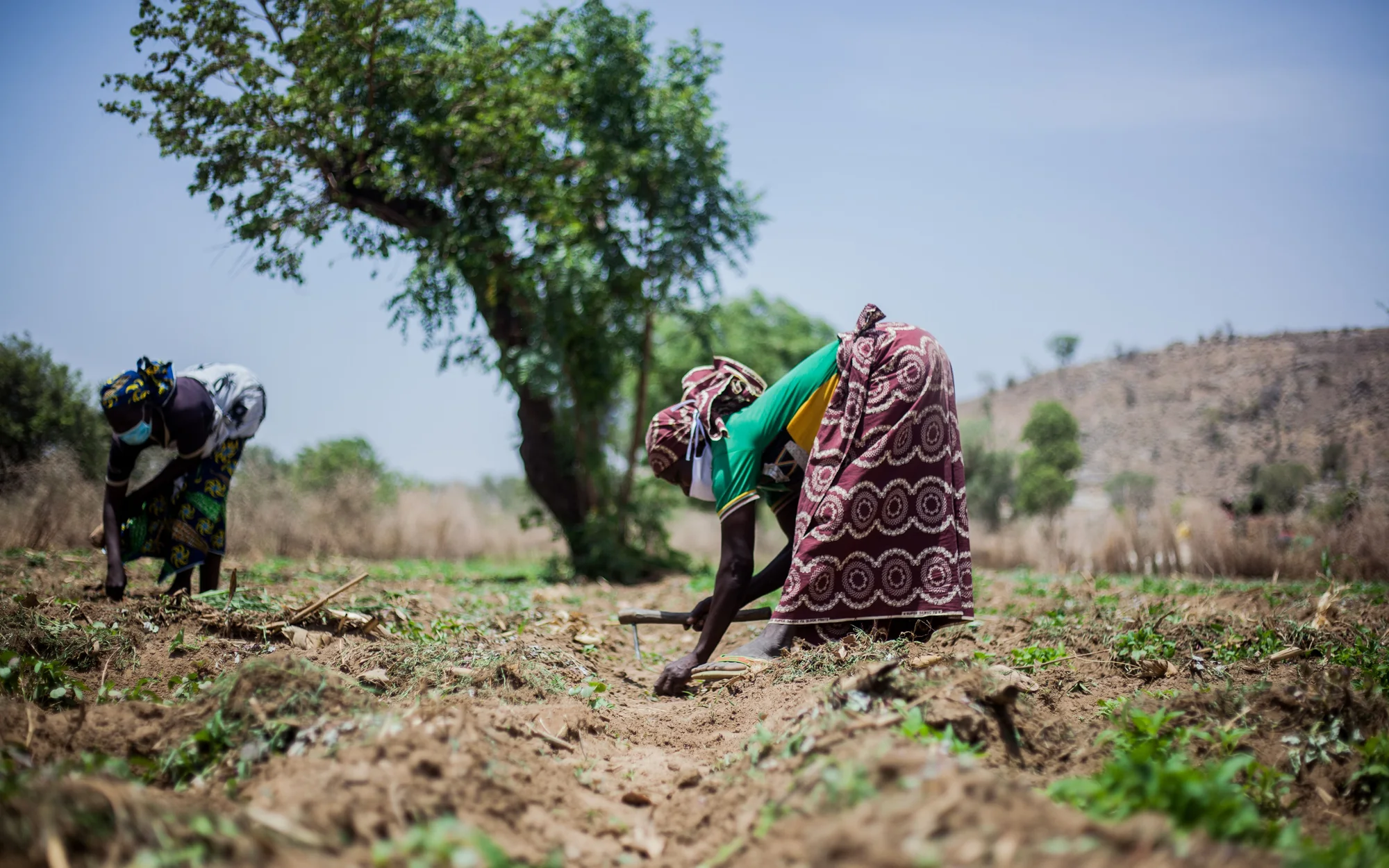
Research in agri-food systems is rarely a matter of collecting data and producing a report. Questions are shaped by the programme context, the decisions that need to be made, the quality of available data and the perspectives of women, men, young people, farmers, businesses and institutions. We support the full evidence cycle, while keeping the work focused on the decisions it is expected to inform.
See how we workOur expertise
Assignments can cover one stage of a study or the full process, from design and field preparation through analysis, reporting and uptake.
Research questions, conceptual frameworks, sampling, survey instruments, qualitative guides, enumerator preparation, piloting and field quality systems.
Data cleaning, reproducible workflows, descriptive analysis, econometrics, qualitative synthesis, visualisation and interpretation for technical and non-technical audiences.
Evaluation design, causal inference where the design permits, cost-benefit analysis, adoption analysis, resilience measurement and interpretation of programme outcomes.
Gender analysis, empowerment and intra-household dynamics, youth inclusion, gender-responsive business models, strategy development and practical integration tools.
Theories of change, indicator frameworks, baseline and endline studies, learning questions, evidence synthesis and reporting that supports adaptation during implementation.
Technical reports, policy briefs, presentations, practical guides, training materials, facilitation and workshops that help partners interpret and apply findings.
Focus areas
Our work is centred on the connected economic, social and institutional questions that shape agricultural transformation.
Food security, climate risk, resilience capacities, sustainable production and the conditions under which households and value-chain actors can adapt.
Access to resources and services, agency, decision-making, labour, control over income, social norms and equitable participation in opportunities.
Technology adoption, extension, digital advisory, socio-technical innovation bundles, farmer learning and the barriers that influence sustained use.
SME business models, sourcing systems, producer relationships, markets, finance and practical changes that can improve inclusion and commercial viability.
How we work
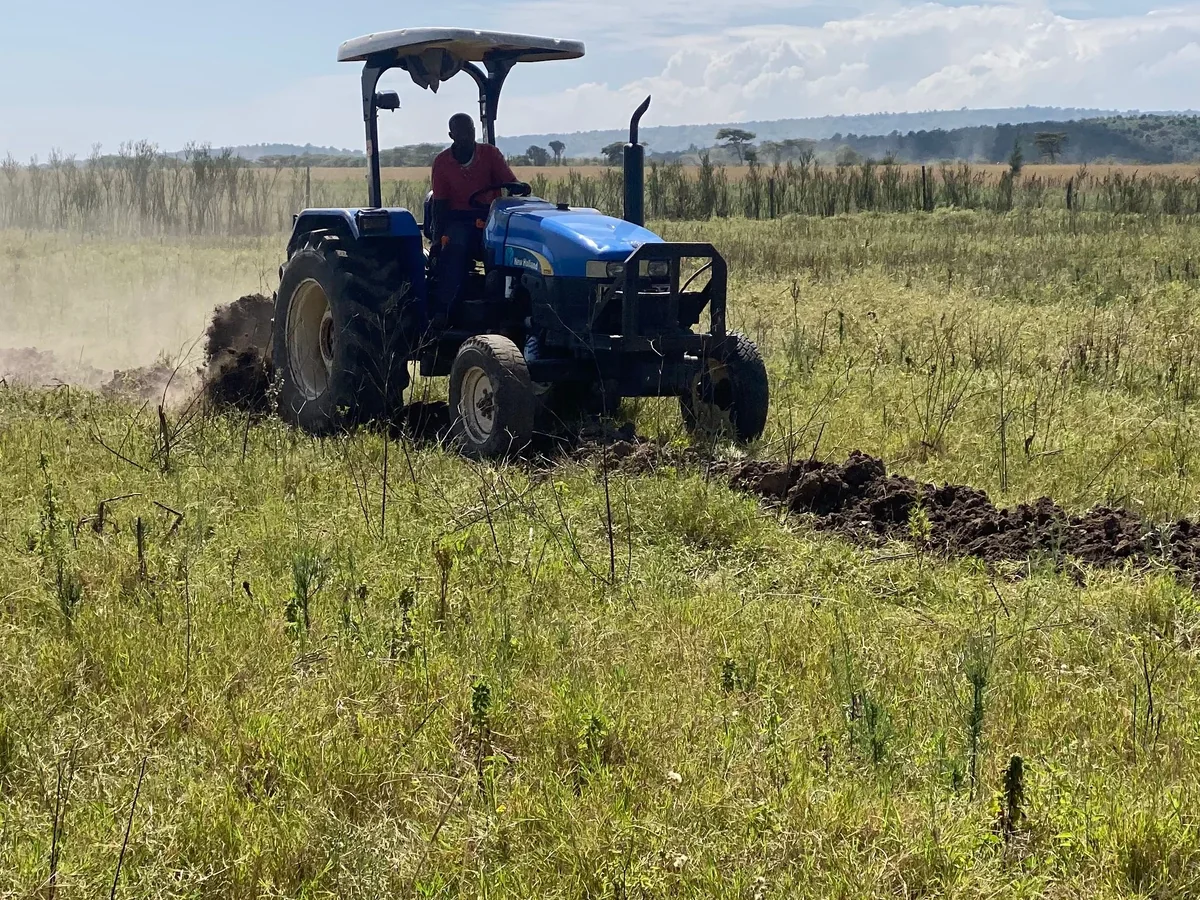
The method depends on the question. The discipline is consistent.
We begin with who will use the evidence, what they need to decide and what level of certainty the assignment can reasonably provide.
Methods, samples and tools are selected in relation to the operating environment, available resources and the populations whose experiences need to be represented.
Field systems, documentation, checks and reproducible analysis are built into the process rather than added at the end.
Results are presented with their limitations, then converted into decisions, programme adjustments, strategies or practical tools.
Methods and outputs
We combine quantitative and qualitative evidence where doing so improves interpretation, and we separate methods where indicators, samples or designs are not comparable.
About Cronica Solutions
Cronica Solutions supports research institutions, development partners, public agencies, producer organisations and agri-food enterprises. The company’s work is informed by practical experience across Eastern African agricultural systems, where programme outcomes often depend on the interaction between technologies, institutions, markets, climate risks and unequal access to resources.
We work independently or as part of wider technical teams, depending on the scale of the assignment and the expertise required.
Work with us
Have an assignment in mind?
Share the purpose of the assignment, the expected outputs and the indicative timeline. We will respond with a practical next step.
Contact details
The company email address, telephone number and office details will be added here shortly. The website can be updated without changing its structure or design.
Explore the website